










Ask our specialist: Ingredients, traditions & techniques
Explore expert insights into pastry traditions, ingredients and techniques from around the world.
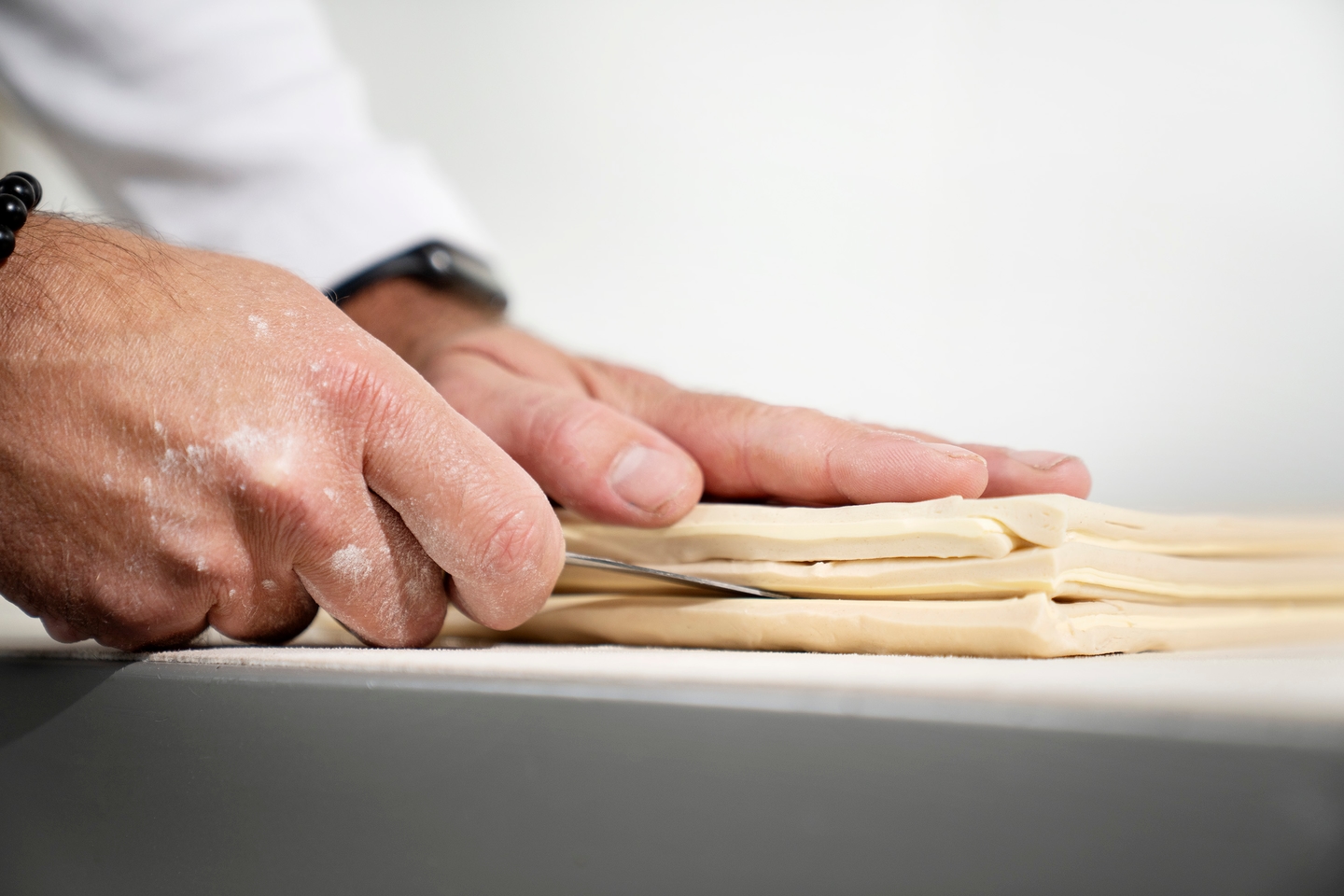
Knowledge passed through generations
In pastry, knowledge is often handed down over time - refined, adapted and perfected. Debic specialists combine expertise from across Europe and Asia to share deeper insights into ingredients, techniques and traditions. From classic delicacies to essential components, every detail contributes to better results in the kitchen.
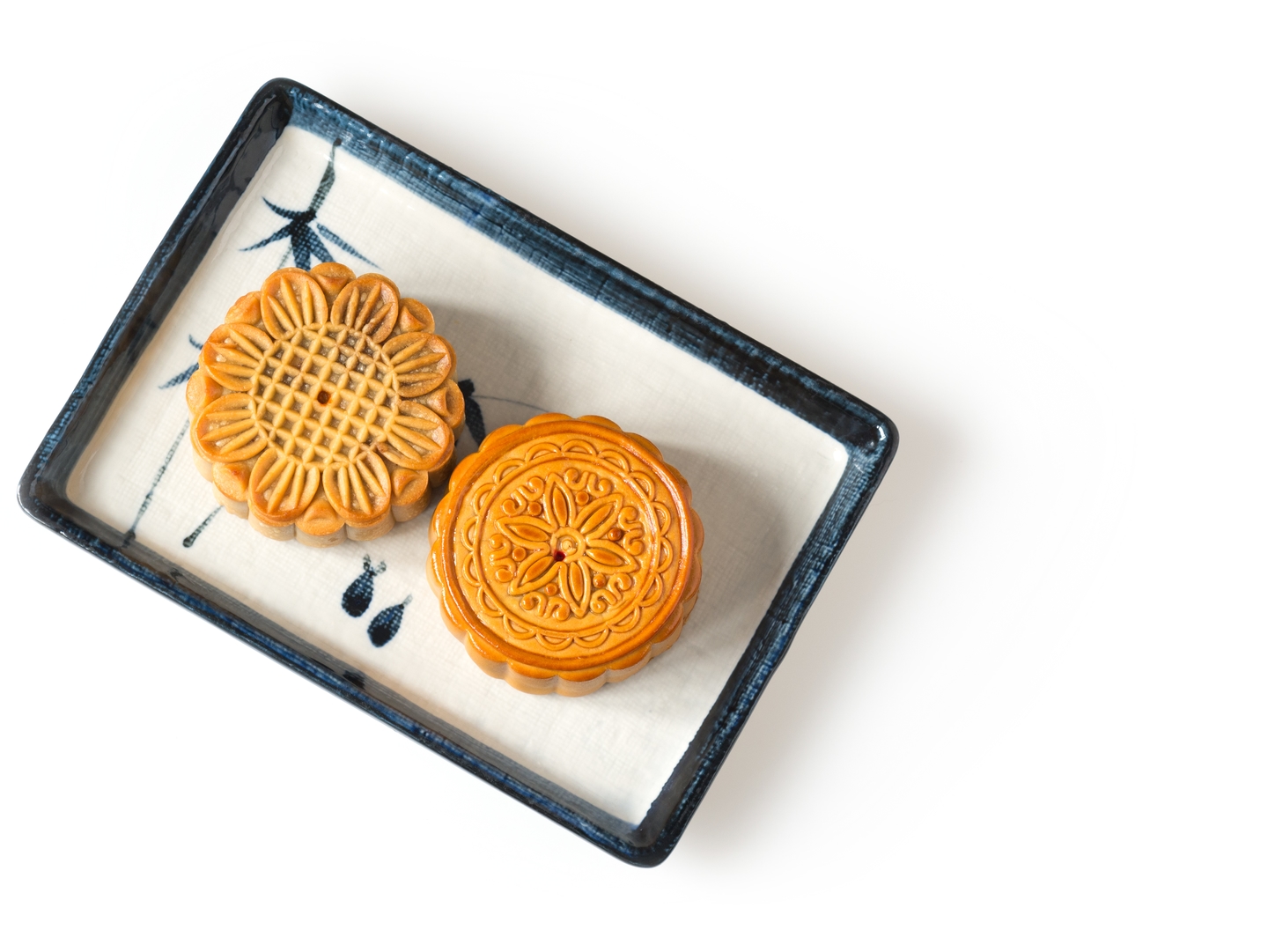
Mooncakes are traditional Chinese festival delicacies, symbolising reunion and celebration. Recognised for their golden crust and rich fillings such as lotus seed paste or salted egg yolk, they offer a balance of sweetness and complexity. Often enjoyed during the Mid-Autumn Festival, mooncakes represent harmony, shared moments and refined craftsmanship.

The stroopwafel is a Dutch classic made from two thin waffle layers filled with a smooth caramel syrup infused with sugar, butter and spices. Crisp on the outside and soft within, it requires precision in both baking and handling. Its signature texture and warmth make it a timeless treat appreciated worldwide.
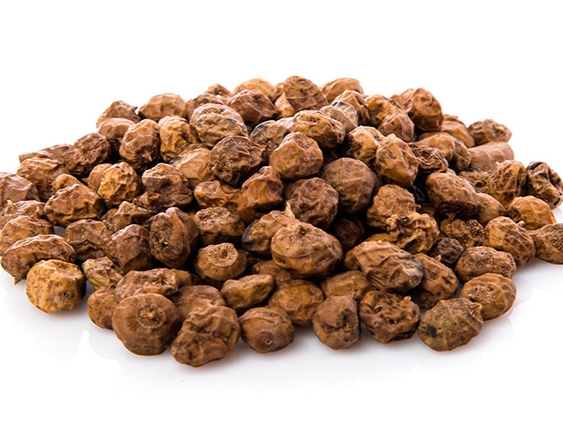
Chufa, also known as tiger nut, is a small tuber traditionally used to make horchata. With its naturally sweet and nutty flavor, it can be soaked, ground into flour or infused into milk and cream. Its versatility makes it ideal for desserts, adding depth and subtle sweetness.
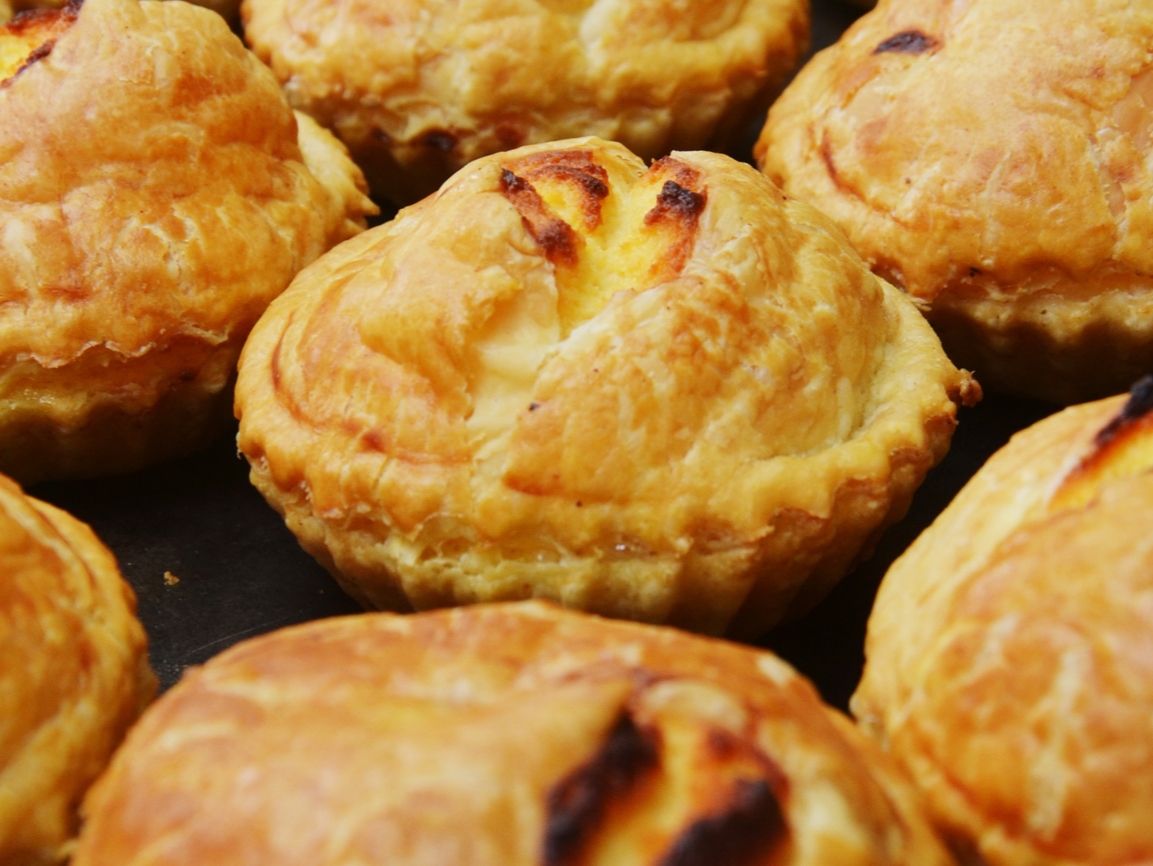
Mattentaarten are small Belgian pastries made with puff pastry and a creamy curd filling known as “matten.” Originating from Geraardsbergen, they combine a light, flaky exterior with a slightly tangy, rich interior. A protected regional specialty, they highlight the importance of tradition and technique.
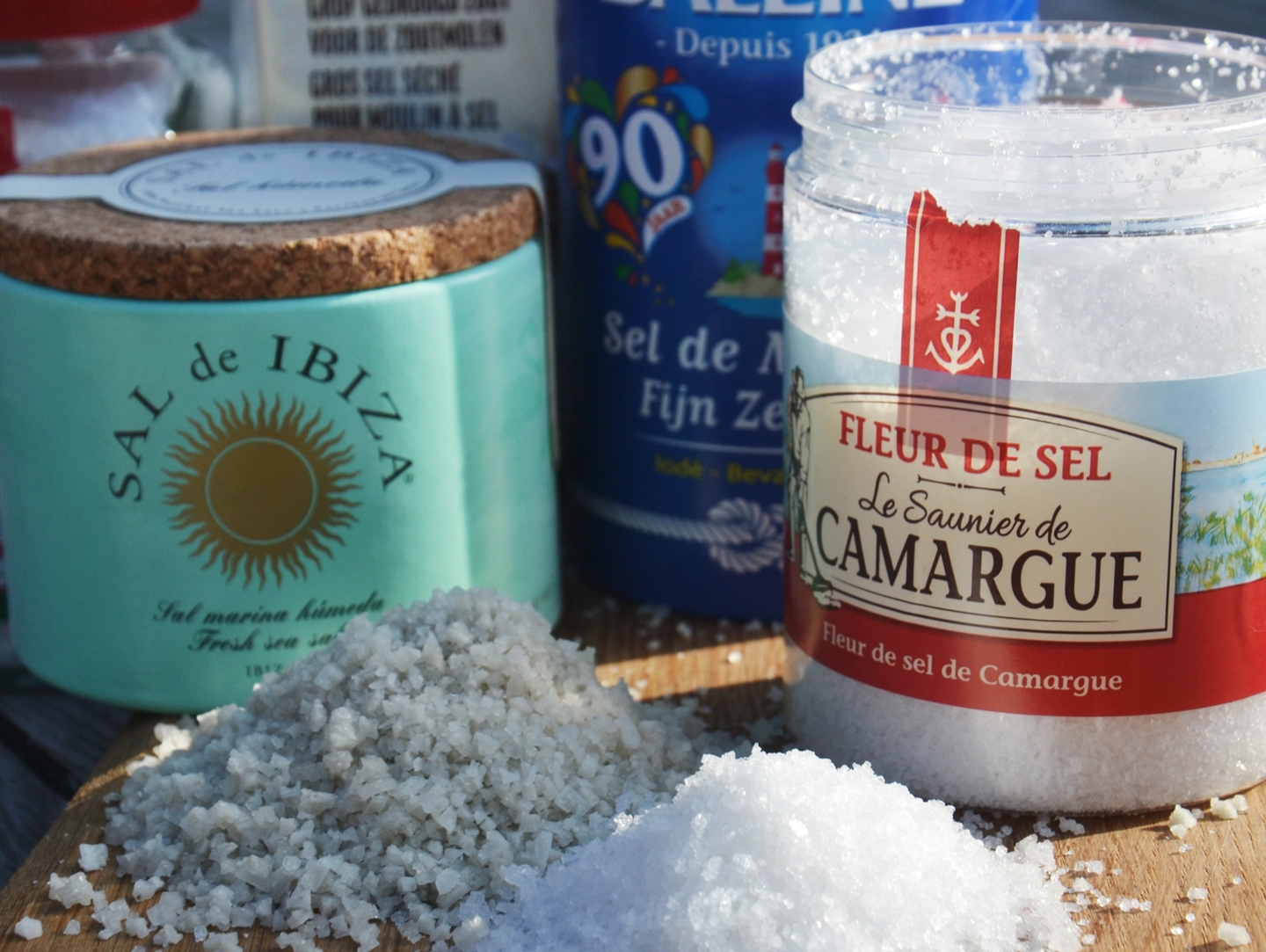
Fleur de sel is a premium sea salt hand-harvested from the surface of salt pans. Known for its delicate crystals and refined flavor, it enhances both sweet and savory dishes. Often used as a finishing touch, it adds texture and elevates the overall taste without overpowering ingredients.

Let your questions inspire new ideas and discover how professional insights can support your daily kitchen challenges.
Ask our specialists