








Guide to Traditional Pastries and Ingredients
Discover the origins and flavours of iconic global pastries and ingredients, including stroopwafels, chufa, fleur de sel, mooncakes and Mattentaarten.
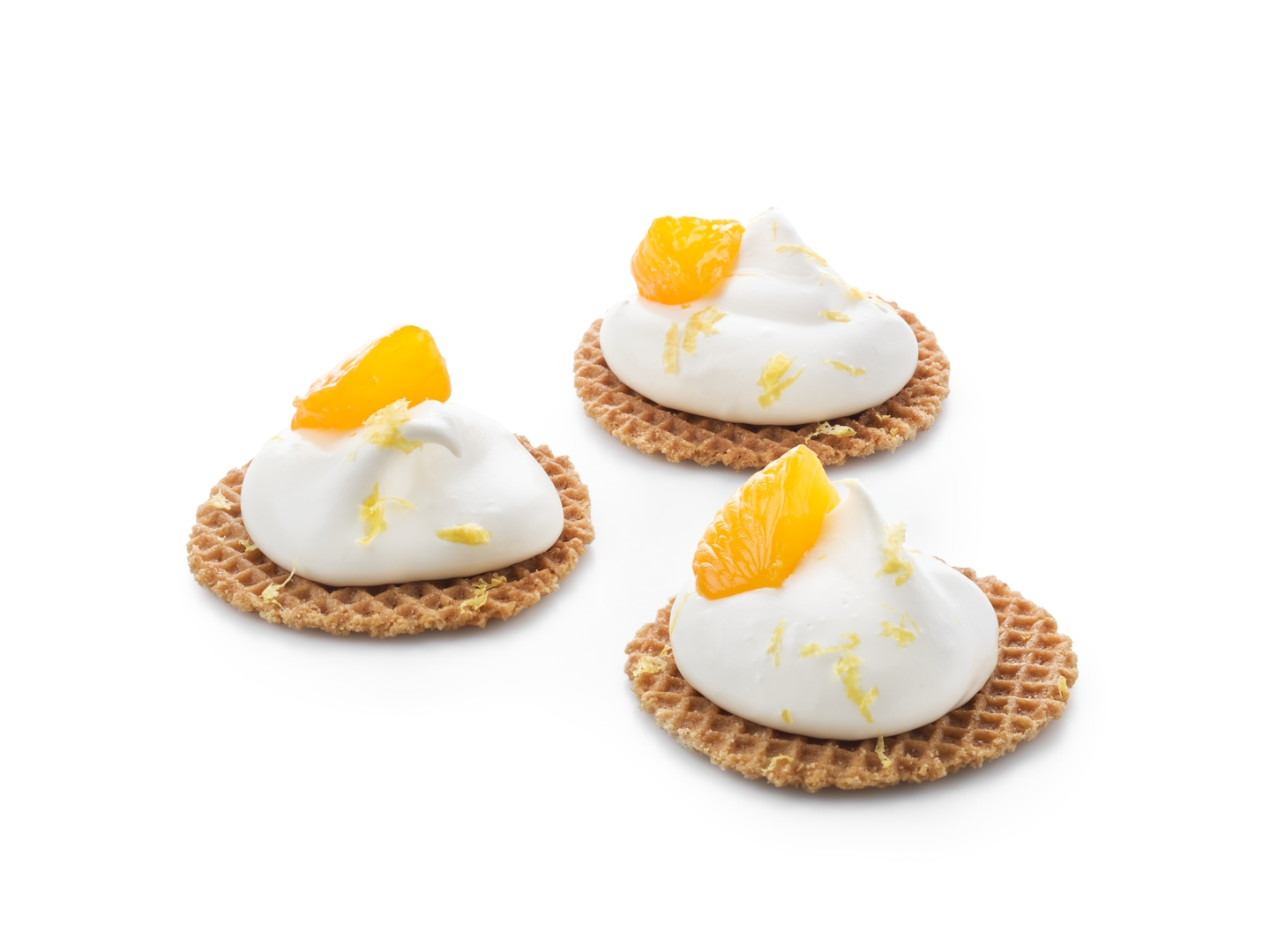
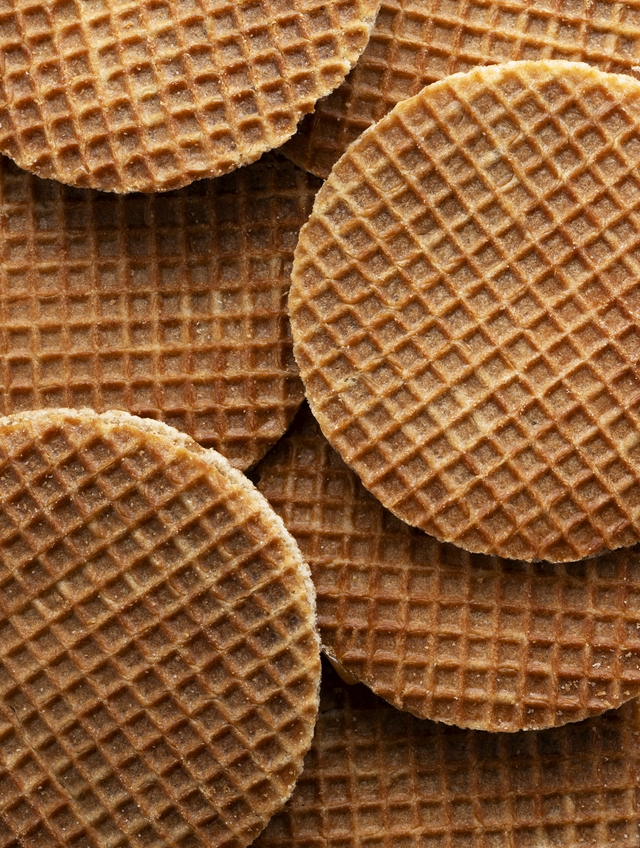
The stroopwafel is a classic from Dutch culture that originated in the 19th century in the city of Gouda, The Netherlands. What started as a simple delicacy grew into a national symbol that is loved for its unique combination of texture, smell and taste. A traditional stroopwafel consists of two thin and crispy waffles of enriched yeast dough with butter, brown sugar, and cinnamon. It is filled with a warm sugar syrup, butter and spices. The filling is chewy but supple and melts slightly when heated. It provides a rich caramel-like experience with spicy depth. Baking and cutting the waffle requires precision. The structure can only be cut for a few seconds after baking, and the filling must be applied at an exact temperature. This paradox of simplicity and refined technique makes the stroopwafel both a challenging and rewarding product within the Dutch bakery.
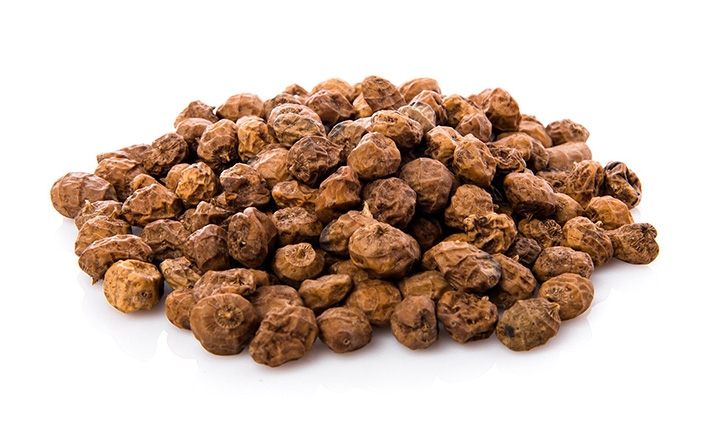
Chufa is a small, rough tuber that is primarily used to make horchata de chufa, a traditional drink from the Valencian Community. Before being used in pastry, it is soaked for several hours to restore its texture and soften it. Then, it can be crushed and pressed to extract its liquid, as in horchata, or dried and ground into flour, ideal for cakes and biscuits. It can also be infused in milk or cream to add flavour to creams and fillings.
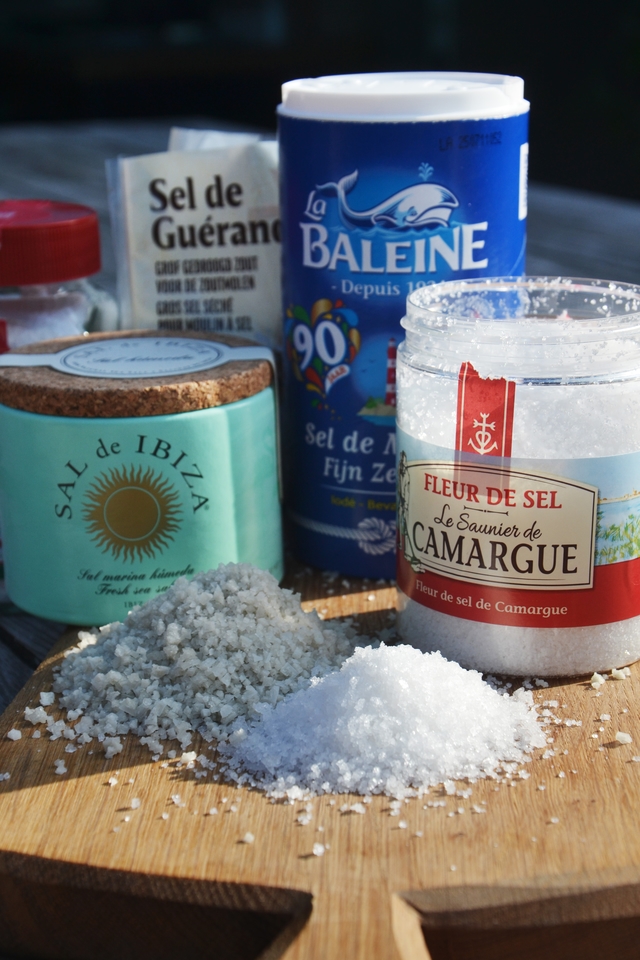
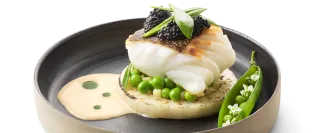
Salt is an indispensable ingredient in every kitchen and bakery. It enhances flavours, influences texture and plays a crucial role in preservation and fermentation. Besides standard kitchen salt, there are numerous varieties such as sea salt, fleur de sel, and sel de Guérande, each with its own origin, texture and flavour profile. Artisan salts add not only saltiness, but also character and finesse to dishes. Fleur de sel is an exclusive type of sea salt harvested manually on the surface of salt pans, usually in coastal areas such as Guérande in France and Camargue in Portugal or Spain. Fleur de sel is never co-cooked, but used as a finishing salt on meat, fish, vegetables, chocolate, caramel and desserts, among others. The crystals of fleur de sel are irregularly shaped, which is why they melt in the mouth at different rates, allowing the salty taste to linger. Fleur de sel is known as the “caviar among salts” due to its purity and exclusivity.
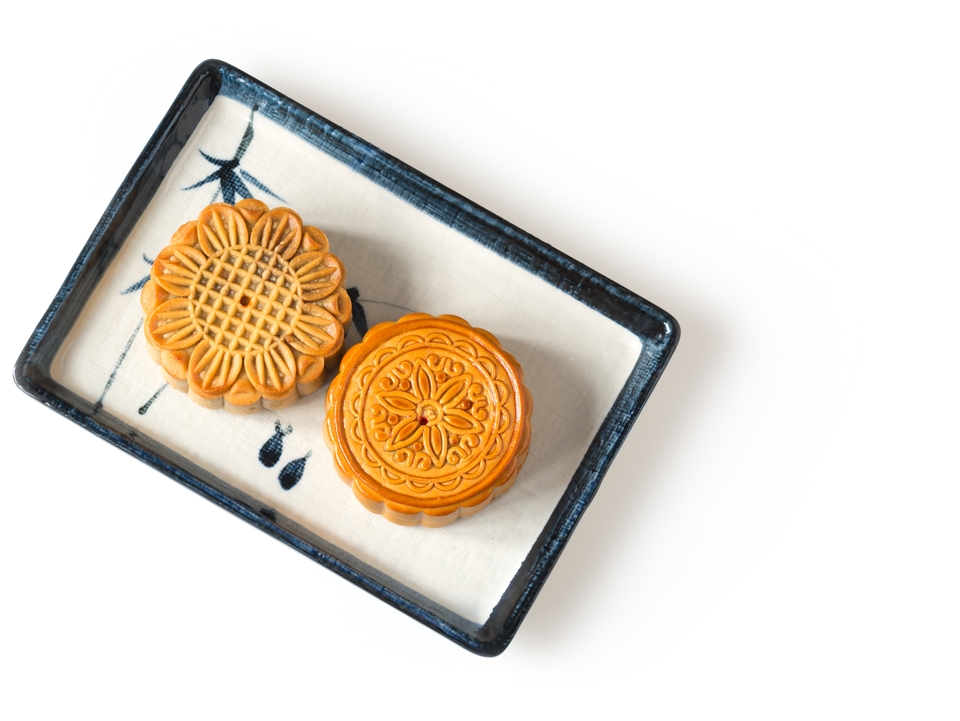
Mooncakes are traditional Chinese festival delicacies. They are round and plump in shape, symbolising reunion and happiness. The golden and crispy outer skin encloses the fine and soft filling, with common classic flavours such as lotus seed paste, red bean paste, and five-nut. The surface is often printed with exquisite patterns or auspicious words, conveying good meanings. The taste is rich and diverse, with both sweet and salty flavours. It is even more flavourful when paired with tea. As a symbol of the Mid-Autumn Festival, mooncakes not only carry the enjoyment of taste, but also convey people's longing and blessings for their relatives and friends.
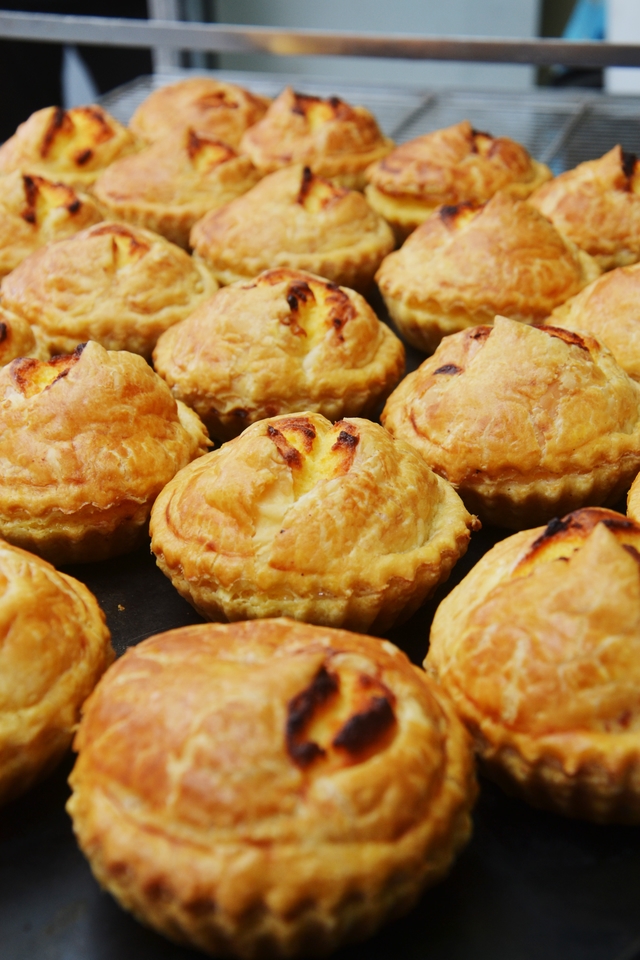
Mattentaarten, also called Geraardsbergse Mattentaarten, are small, round pastries made of puff pastry filled with a soft curd filling called “mats”. They are a traditional regional product from the town of Geraardsbergen, a city located in East Flanders, Belgium, and have had the European Protected Geographical Indication (PGI) label since 2006. The filling consists of “mats,” a kind of curdled raw milk or curd made by mixing fresh milk with buttermilk and then draining. This curd is mixed with sugar, eggs and almond flavouring. The Geraardsbergse Mattentaart is distinguished by its unique combination of flavours and textures: an airy, creamy and slightly sour curd filling contrasted with a crisp puff pastry crust. This traditional pastry is not only a culinary gem, but also a proud regional product deeply embedded in the local identity of Geraardsbergen. Often served on festive occasions, the Mattentaart embodies craftsmanship and heritage. Thanks to its authentic method of preparation and characteristic taste, it is virtually unique in Europe and remains an inspiration within the artisan bakery sector.

Cal Jan in Tarragona blends tradition and innovation with award-winning pastries. Discover its artisan chocolate panettone and bold new treats.
Discover more