










Mastering viennoiserie techniques for perfect layers
Essential tips, ingredients, and techniques to create flawless Viennoiserie with consistent layers and optimal taste using Debic professional solutions.

Viennoiserie blends the craft of breadmaking with the indulgence of pastry. Achieving flawless results requires precision in ingredients, temperature control, and lamination technique. Each step, from selecting the right flour to mastering folding, determines texture, lift, and flavour. With professional guidance and the right dairy solutions, bakers can consistently create airy, crisp, beautifully layered results.
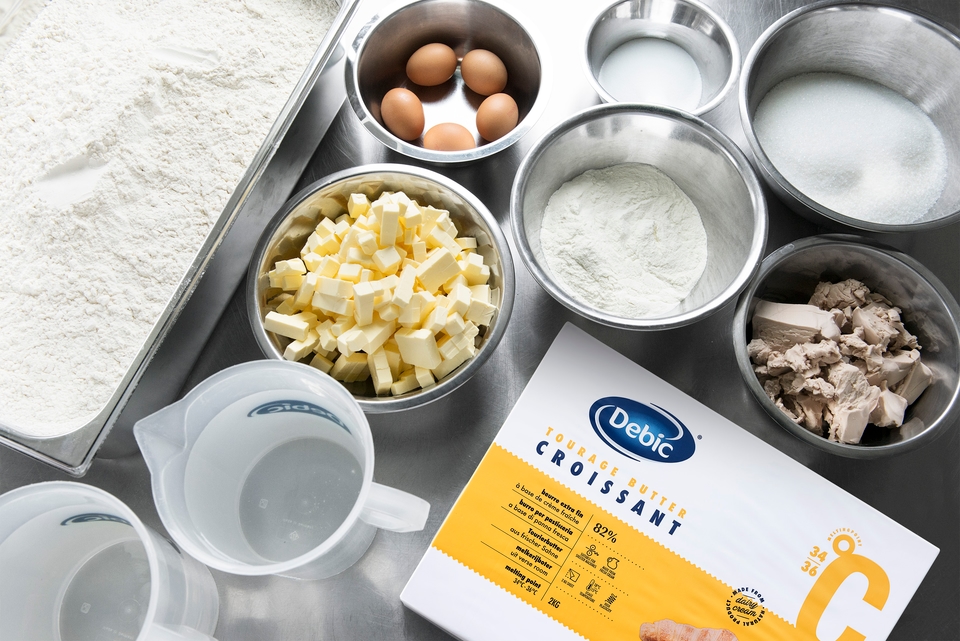
High-quality ingredients set the tone for consistent Viennoiserie.
Flour: Choose flour with a stable protein content to achieve elasticity and strength during lamination.
Butter: The butter block must be plastic, stable under temperature, and easy to incorporate into the dough. Professional croissant butter ensures clean layers, uniform lift, and excellent flavour.
Yeast & Liquids: Proper hydration and precise yeast activity influence the dough structure and internal honeycomb.
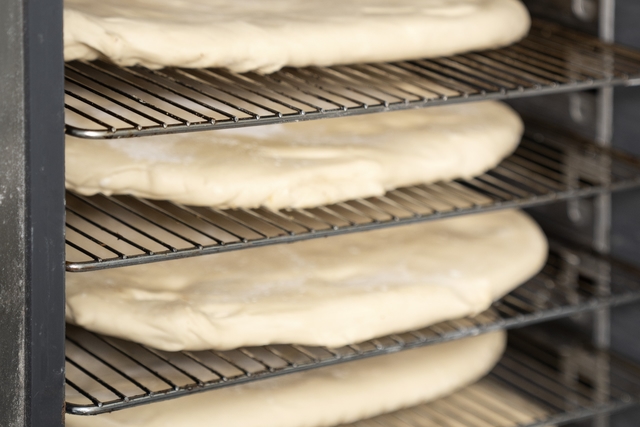
The dough requires structured resting phases for optimal extensibility. Resting prevents shrinkage during rolling, supports flavour development, and stabilises the dough before introducing butter. Final resting times before the turns ensure better control and avoid tearing - crucial to achieving consistent, even layers.
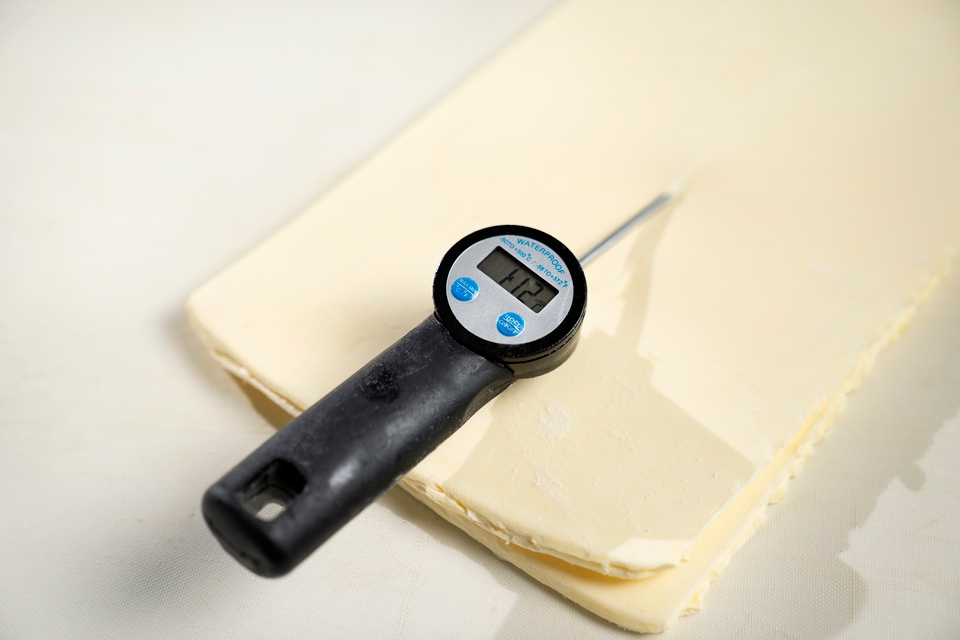
Controlling temperature at every stage ensures dough strength and consistent lamination. A well-chilled dough prevents butter from melting early, maintaining clean, visible layers. Ideal resting conditions help develop flavour while stabilising the gluten network. Even small temperature differences greatly affect final results, especially during lamination and proofing.
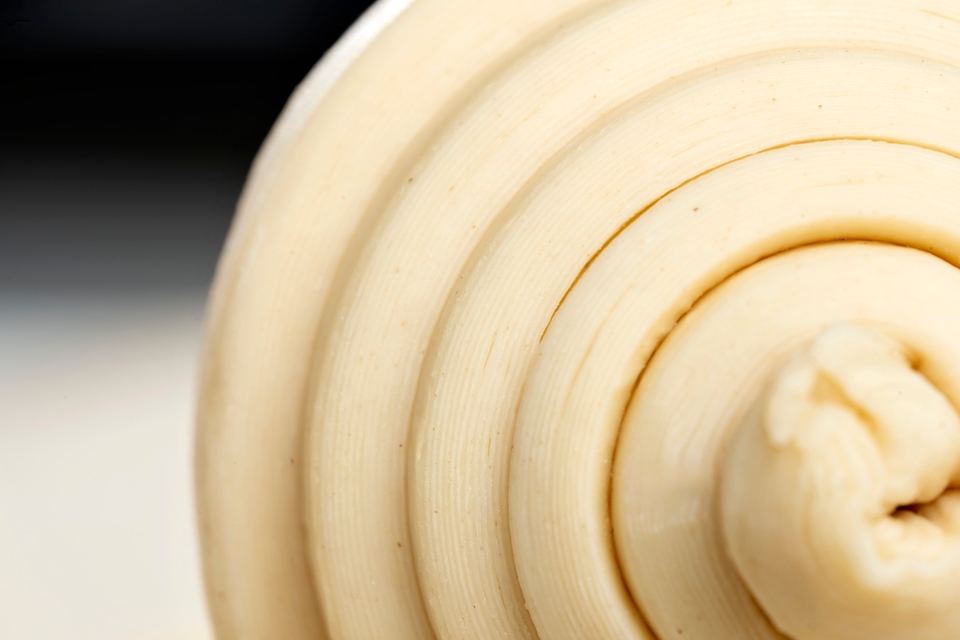
Lamination consists of alternating layers of dough and butter. Single and double turns impact how many layers are formed and influence texture, crumb, and volume. Precision during each turn ensures smooth rolling, aligned edges, and consistent layer development.
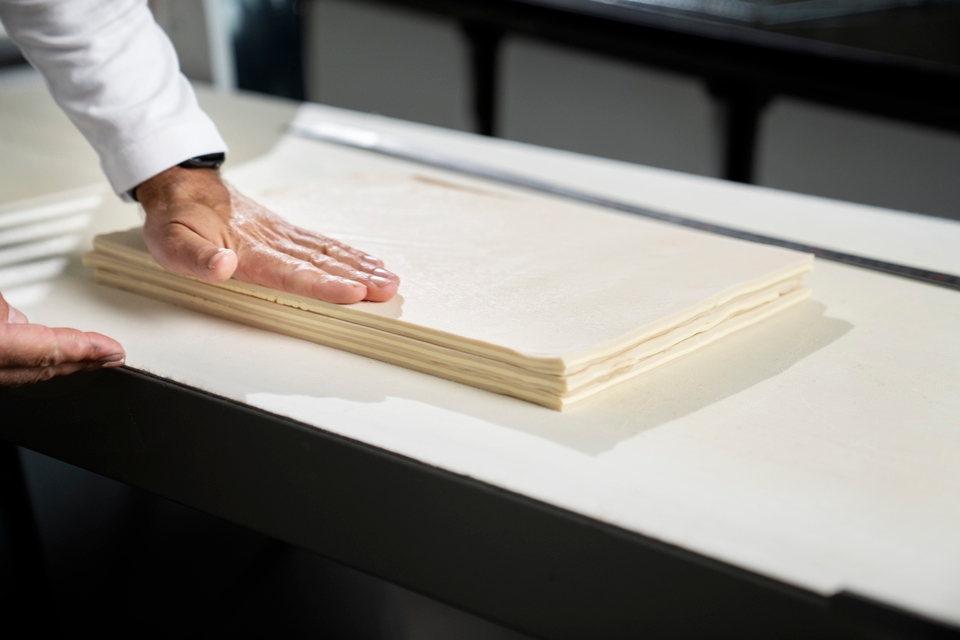
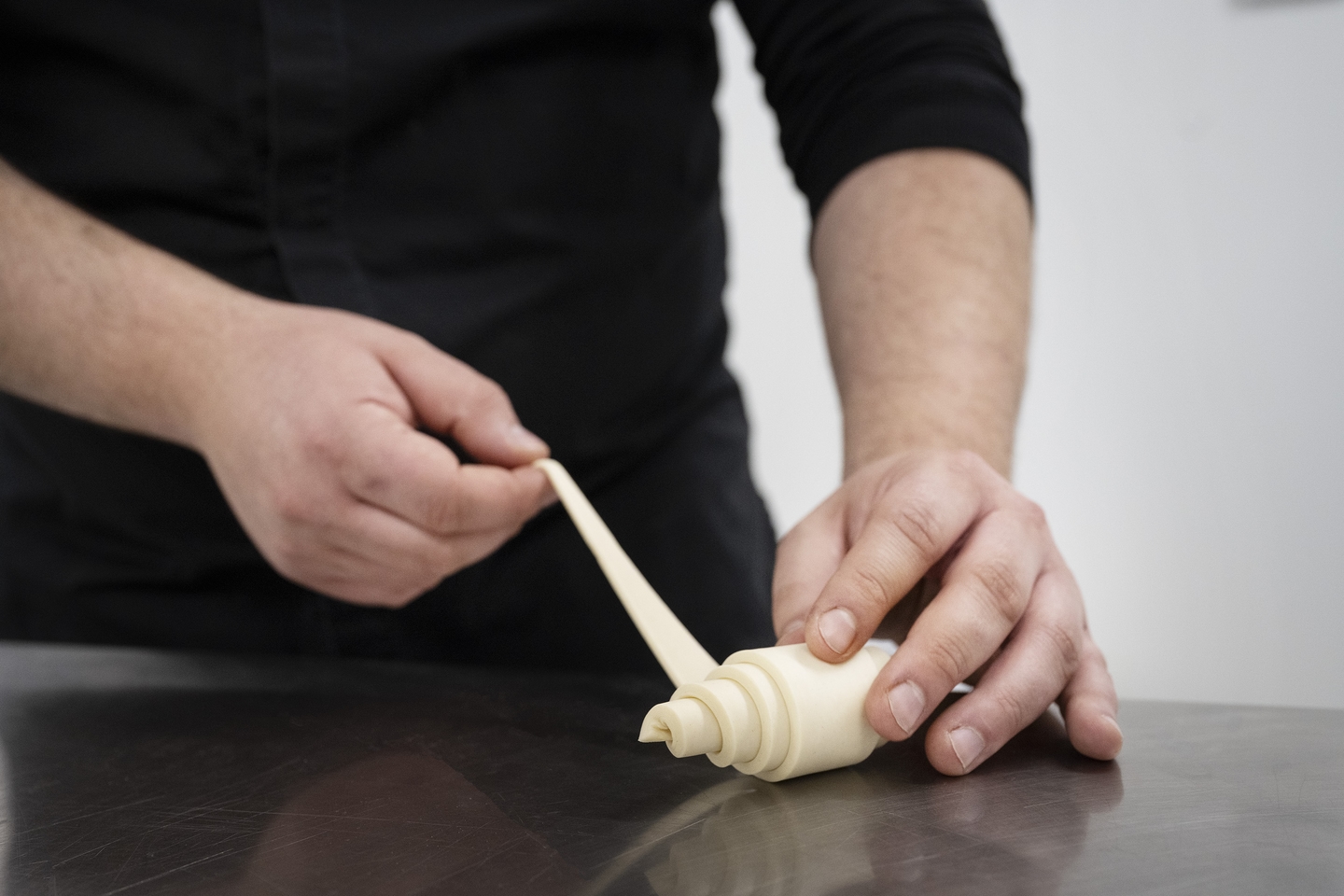
After the final turn, shaping requires controlled cutting and handling. Sharp, clean cuts preserve the laminated layers, while correct folding techniques prevent compression and ensure even expansion during baking. Maintaining dough thickness and alignment at this stage influences the product’s symmetry, rise, and visual appeal.
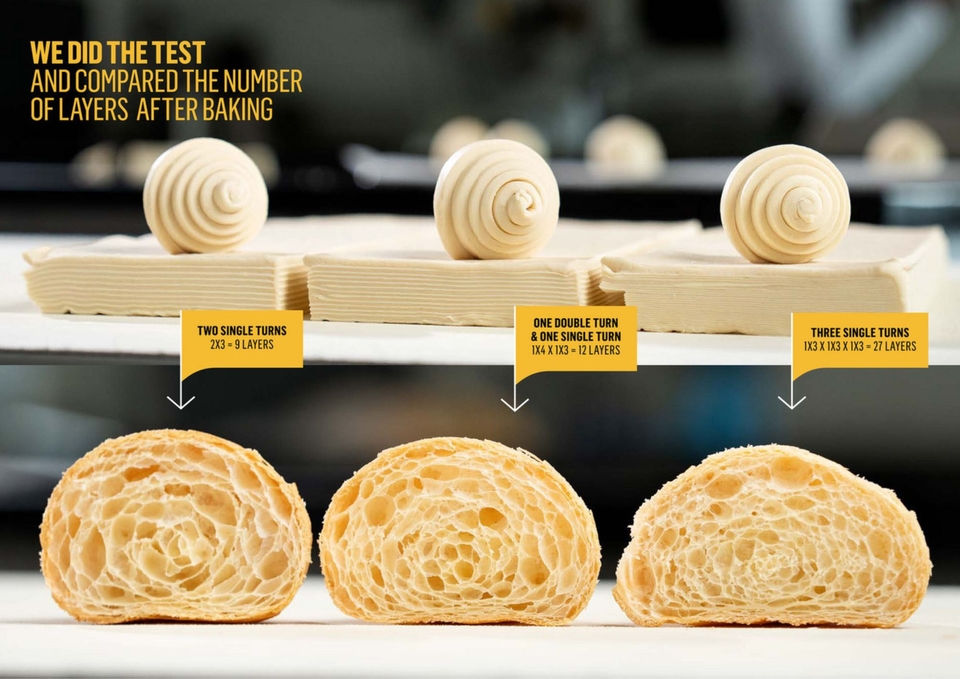
To demonstrate how turns affect internal structure, three lamination methods were tested. Each produced a distinct layer count and crumb structure after baking. The comparison highlights how precise lamination directly influences texture, lightness, and overall quality.

Discover Debic’s collection of professional pastry and baking techniques to refine your skills and elevate your results.
Learn more