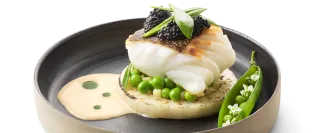











Interview with Gaëtan Fiard: ‘I’ve gone against the regional current.’
Pastry chef Gaëtan Fiard on innovating in Bordeaux: fast, refined finger food, local seasonal ingredients and a bold break from regional norms.
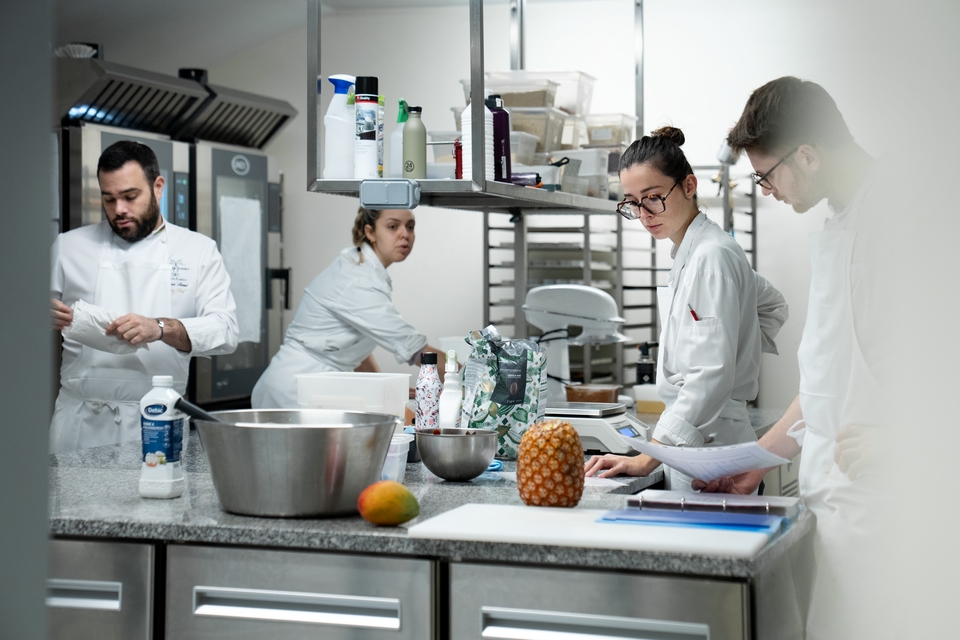
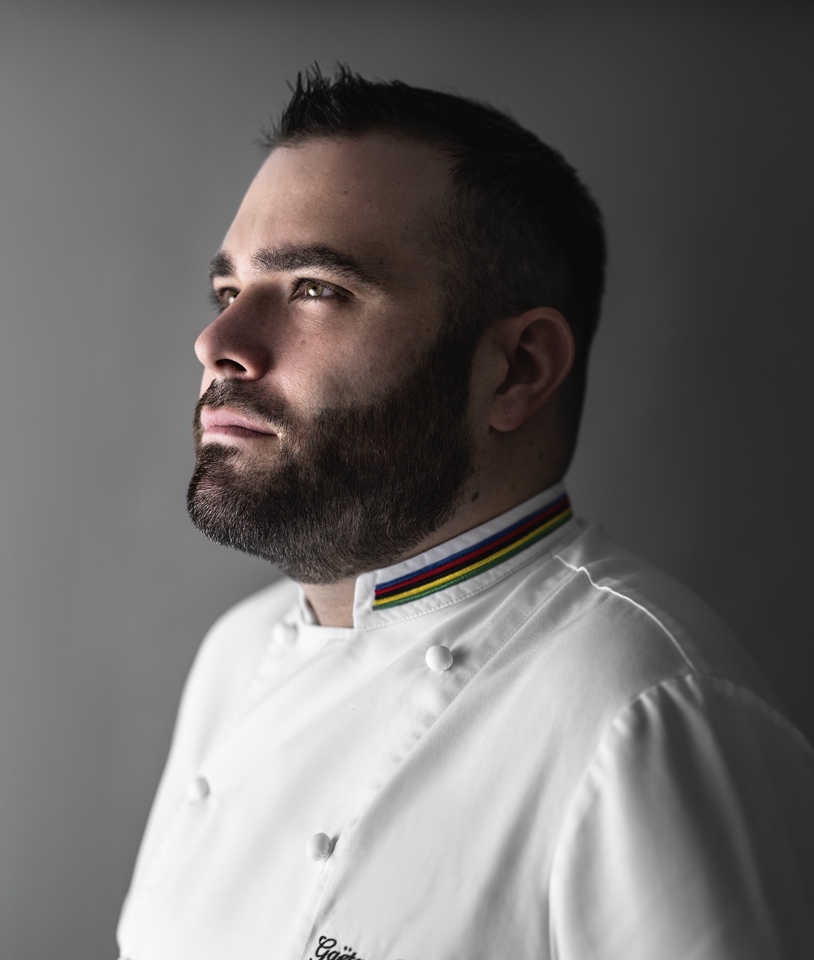
When Gaëtan Fiard speaks about his culinary approach at the five-star Grand Hôtel InterContinental in Bordeaux, there’s a quiet conviction in his voice that reveals a chef who isn’t afraid to challenge conventions. As head pastry chef managing a team of 12, he has chosen paths that break from regional expectations, creating a distinctive identity in one of France’s most storied culinary regions.
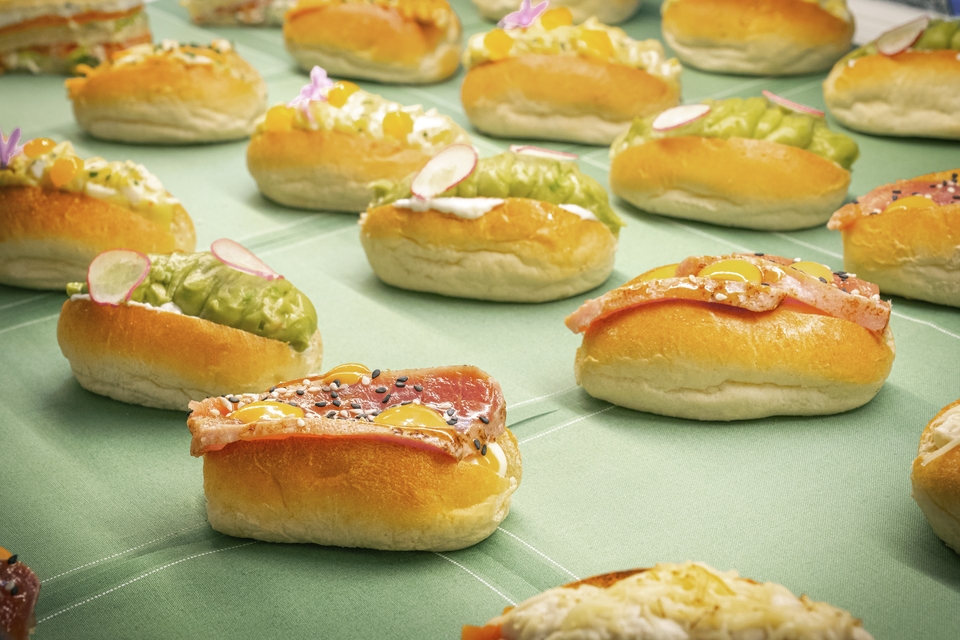
Stepping into Gaëtan Fiard’s world means entering a space where high gastronomy meets the rhythm of city life. When asked about how working in a vibrant urban environment has influenced his culinary approach, Fiard’s passion is immediately apparent. ‘In the city, we had to adapt to a faster pace of life. People are in a hurry, yet still want quality,’ Fiard explains. ‘This led us to develop a finger food concept that allows customers to choose three small sandwiches for 10 euros. They’re specifically designed not to leak or create a mess, so customers can eat them while walking or on the go.’ This pragmatic approach extends to his sweet offerings as well. ‘For the sweet section, we focus on practical finger food like brownies and madeleines. The key is avoiding anything messy – like crumbs, caramel sauces and the like that might end up on your shirt.’
Keep them coming back
Operating in Bordeaux brings its own unique set of challenges. ‘City customers are more demanding,’ Fiard acknowledges. ‘We must be consistently alert and maintain high standards because expectations are higher than in other settings.’ The competition in urban centers is also substantially more intense. ‘There are many options for customers, so we need to work harder to keep them coming back. The quality has to be exceptional, every single time.’ This pressure to deliver extraordinary results drives Fiard’s commitment to excellence. ‘We’re not just following trends – we’re creating a concept that endures. Anyone can jump on a trend, but building something with staying power requires deeper thinking.’ It’s a philosophy that extends to his broader approach at the Grand Hôtel InterContinental, where he manages a team of 12 employees. ‘Together we make products for four different sales outlets and a two-star restaurant belonging to Gordon Ramsay. We also prepare products for a brasserie, a bar, a rooftop cocktail bar, events at the hotel, and room service.’
Together we make products for four different sales outlets and a two-star restaurant belonging to Gordon Ramsay.
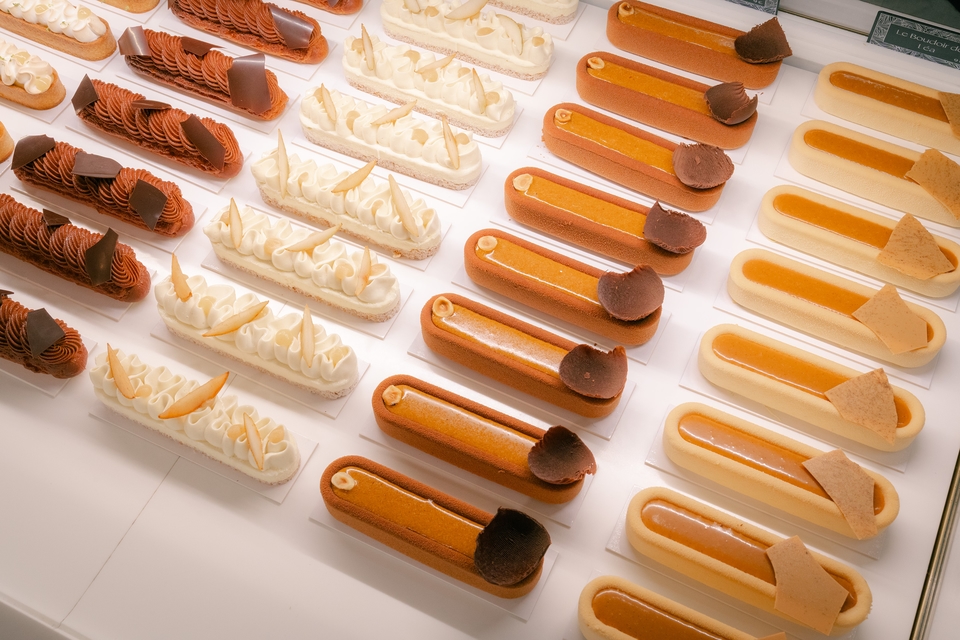
What truly sets Fiard’s approach apart is his deliberate decision to depart from what might be expected in Bordeaux’s culinary landscape. ‘Together with our owner, I’ve actually gone against the regional current,’ he says with an unmistakable hint of pride. ‘Rather than focusing on traditional ham sandwiches common in the region, we emphasize seafood and plant-based ingredients. We work a lot with salmon, tuna and various egg preparations.’ This bold departure reflects Fiard’s philosophy about modern culinary identities. By adding unexpected elements like wasabi to familiar dishes, he’s created a distinctive style that resonates with a diverse audience. ‘These are small, clearly defined accents that can appeal broadly without being too experimental,’ Fiard explains. ‘We remain true to our identity while adding just enough originality.’ Fiard emphasizes the importance of refreshing the menu for regular customers: ‘For those who visit twice weekly, we need to offer variety. They appreciate having their favourites available but also enjoy discovering new options.’
I keep discovering new products and new suppliers.
Creativity with local produce
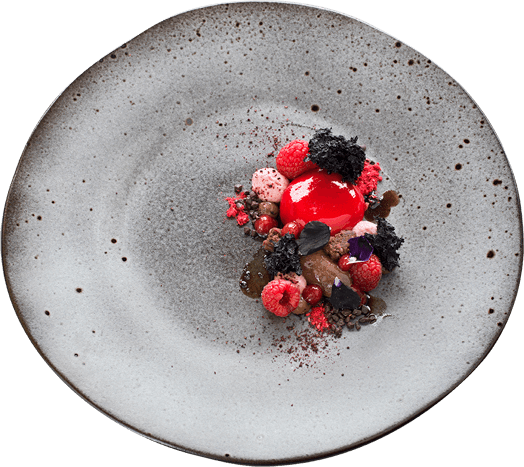
Fiard's approach to regional cuisine presents an interesting contrast. While he proudly goes against regional recipe traditions in his savoury offerings, he simultaneously embraces the region’s raw ingredients with genuine enthusiasm. ‘I prefer working with seasonal ingredients and short supply chains,’ he explains. ‘Within a hundred-kilometer radius of Bordeaux, I can source dried fruits, hazelnuts, almonds, pistachios, pecans and peanuts. Even today, I keep discovering new products and new suppliers. This is why it’s actually fun to work in a region that’s still somewhat new to me.’ This local focus enhances Fiard’s creativity rather than limiting it. One of his signature desserts features the unexpected combination of Espelette pepper with sweet elements. ‘Personally, I don’t generally enjoy spicy foods,’ he admits. ‘But when incorporated into a dessert with chocolate and peanuts, this particular pepper creates something special – a fresh, tangy dimension that completely transforms the experience.'
My hands are my translators of what inspires me from within.
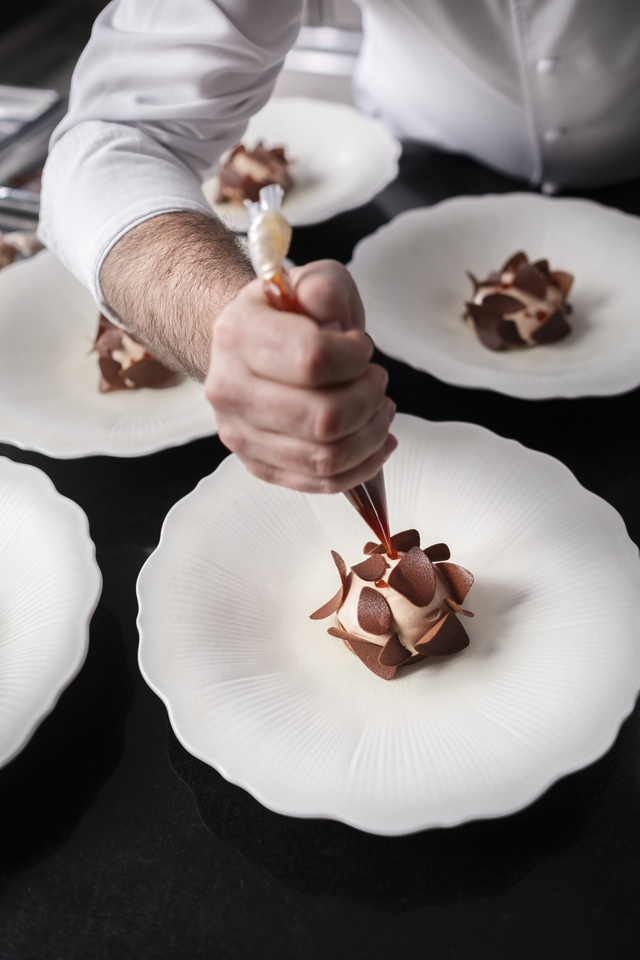
For Fiard, his hands are his most essential tools. ‘My hands create what I conceive. They are like my tools, translators of what inspires me from within. First, they write down all the things I’ve thought of – for a specific season or a local product. Then they get to work turning my ideas into a finished product.’ This craftsman’s approach demands consistency and precision. ‘At this level, we have to produce the exact same thing every day. For this, we need the same preparations and the same textures. It’s complicated because when dealing with seasonal ingredients, you face natural variations. If a pear is not cooked through because it wasn’t ripe, you need to cook it for longer. Every day we make these kinds of adjustments to maintain consistency.’ In such situations, relying on trustworthy ingredients becomes crucial. ‘The emulsion used in the chocolate and Espelette pepper dessert is delicate. If you don’t shake the siphon long enough, it will remain too liquid. But if you shake it too long, the emulsion becomes grainy. To get it just perfect, you need skilled hands as well as reliable basic products.’
Looking ahead
When asked where he sees himself in five years, Fiard responds with thoughtful ambition. ‘I hope to still be here, having evolved further with new offerings in both the shop and restaurant. There’s still so much to explore in this region, so many ingredients and techniques to discover.’ Beyond his work at the hotel, Fiard freelances as a trainer and business consultant for about ten days a year. ‘It’s a way to help other professionals find solutions to their problems. I mostly help pastry chefs in rural areas, away from the big cities. It’s difficult for them to leave their shop for one or two days to attend training sessions.’ His approach to teaching reflects his overall philosophy – practical and without pretence. ‘I go prepared to show one or two techniques, but I mostly try to work with what is available onsite. I want to offer solutions based on existing materials, and I definitely don't want them to think they need to invest tens of thousands of euros first before they can work with new products or techniques.’ The satisfaction from this work comes from seeing others succeed. ‘I love getting pictures afterward and hearing that it worked out and was less complicated than they thought. That is how you help people to succeed.’

Discover how Chef Marie Koopman blends Belgian culinary heritage with innovation at ’t Rusteel, pairing craft beer with from-scratch cuisine.
Discover more