










The Paradox: Guilt-free indulgement of pastry with Asian superfood
From matcha to ginseng, Asian superfoods inspire pastries that balance indulgence, flavor, and a mindful touch of wellness.
Today, fuelled by irresistible creations on social media and in local patisseries, consumers crave indulgence but are more than ever focused on health and sustainability. This has sparked a rise in wellness-focused baking. Asian ingredients take the cake because they have often surprising health benefits. Pastries that feature ingredients perceived as healthy, the guilt fades, making indulgence feel like a smarter, more mindful choice. Traditional pastries, often rich in butter, sugar, and refined flour, are now being reimagined with ingredients believed to have health benefits.
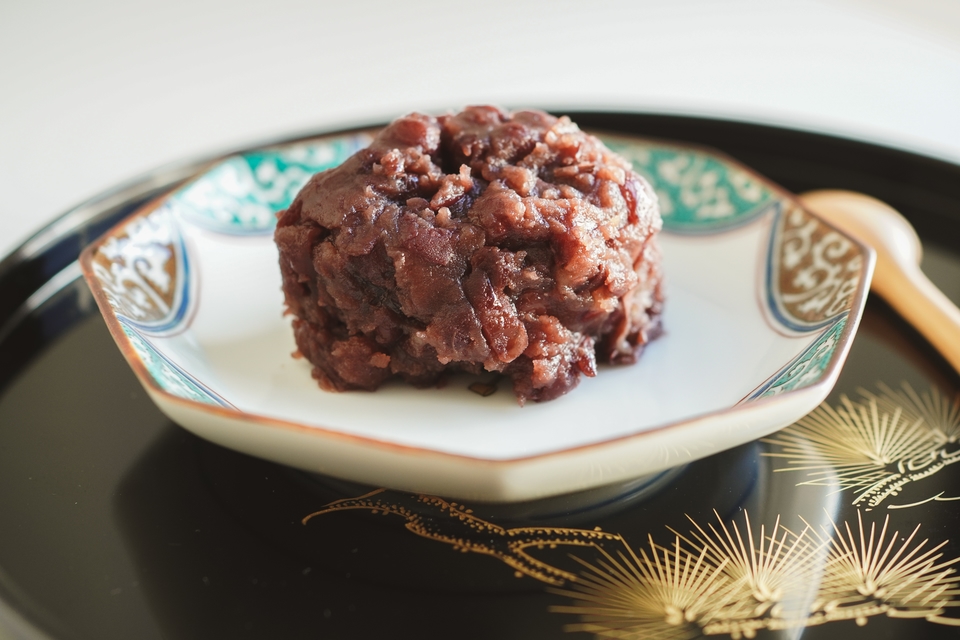
An interesting ingredient is red bean paste also called Anko made from adzuki beans in Asia. This Bordeaux coloured ingredient is very popular in Asian pastries, especially in Japan and China. Besides its appealing colour, this product contains a high amount of fibre and plant-based protein, while it is rich in antioxidants. This ingredient is often found in pastries such as a red bean bun also named "Anpan" or mochi and mooncakes.
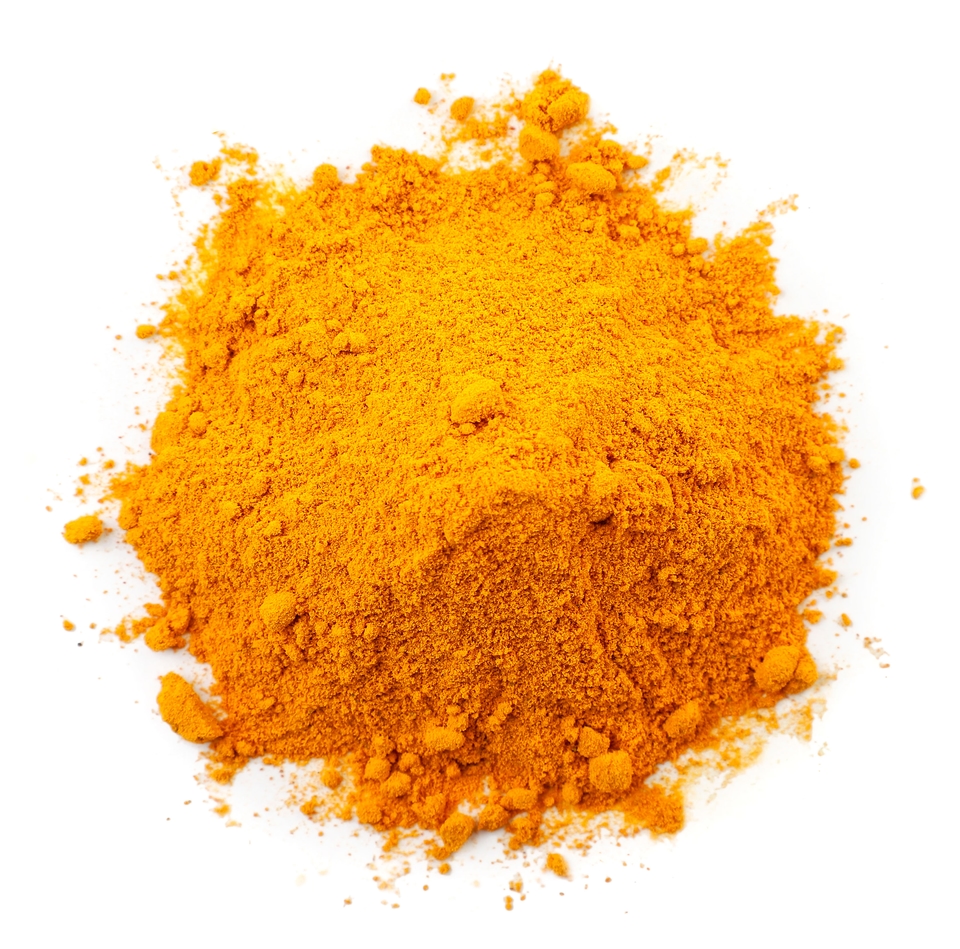
A bright yellow-orange spice made from the dried root of the Curcuma longa plant originated from southern India and Indonesia. It has a rich history in both culinary and medicinal uses. Its unique, slightly bitter flavour and warm golden colour not only enhance pastries but also creates appeal to consumers seeking health benefits. It is believed to have anti-inflammatory and antioxidant properties, and is often used in vegan and gluten-free treats. Pastries featuring turmeric include turmeric shortbread, lemon turmeric tarts, and turmeric honey madeleines.
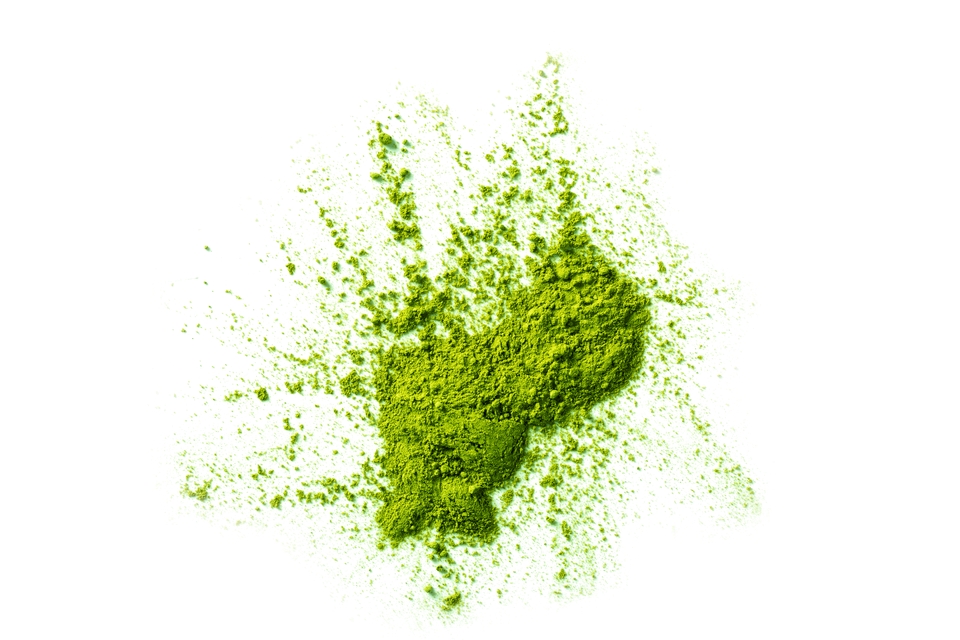
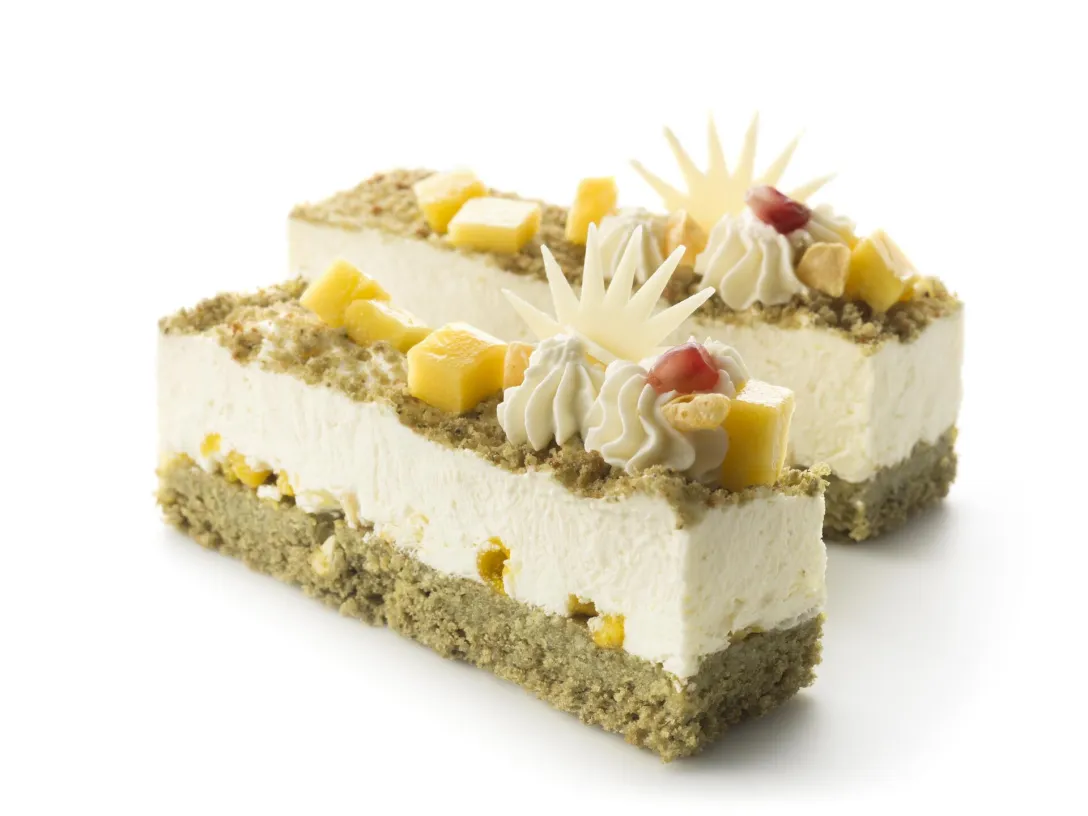
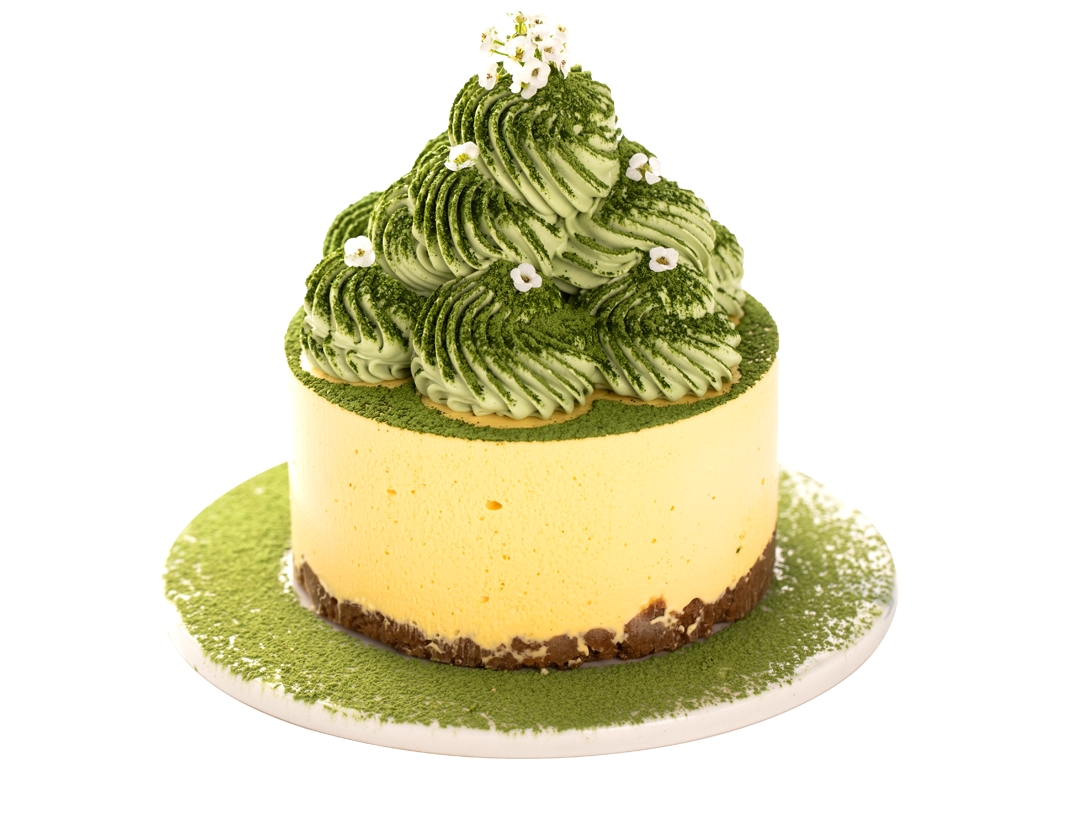
A powdered green tea originally from China and popularized in Japan, has become a global sensation, especially in pastries. Its vibrant green colour evokes a sense of health and organic purity, making it a go-to ingredient for those seeking indulgence with a healthy twist. Matcha offers a unique, grassy, slightly bitter flavour that adds depth to pastries, while its antioxidants, particularly catechins, are supposed to boost metabolism and support skin health. Additionally, the L-theanine in matcha promotes relaxation and focus, enhancing the overall “feel-good” experience. Pastries like matcha mochi, matcha cheesecake, and matcha pain suisse offer consumers both indulgence and wellness.
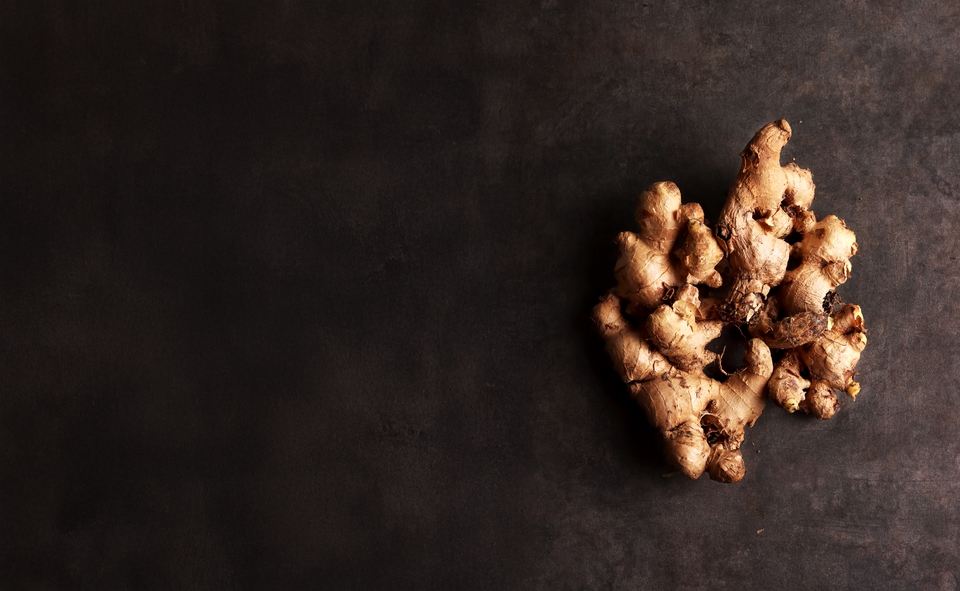
A popular global superfood, originates from rhizomes, the underground stems of plants, and is believed to have first come from South and East Asia, particularly India and China. Rich in nutrients like gingerol (its active compound), vitamins B6 and C, magnesium, and potassium, ginger is known for its antiinflammatory properties while it promotes digestion. Ginger is commonly used in pastries like gingerbread biscuits, ginger cake, and ginger cream puffs.
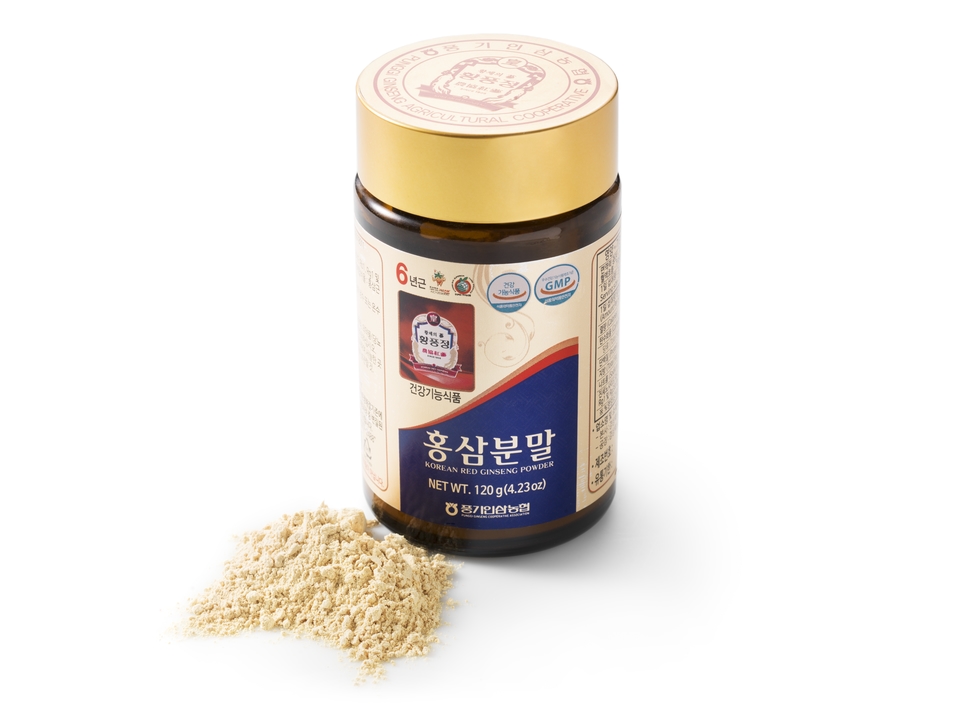
Though not widely known in Europe, is considered a powerful superfood in Asia, particularly in China, Korea, and Japan. This herbal root from the Panax is believed to promote health, longevity, and vitality, thanks to its bioactive compounds called ginsenosides. In Korea, ginseng may be used in pastries like ginseng tteok (a type of rice cake) or in fillings for steamed buns. It’s also found in ginseng candy, which combines the root with sugar for a sweet treat. In China, ginseng is sometimes added to mooncakes or other desserts that aim to balance taste with the root’s medicinal qualities.
Be inspired and give these recipes a try!